3 companies adapting their strategies due to policy changes

The current debate on tariffs shows how quickly everyone became interested in the economy. However, investors are primarily concerned about the unknown, as it is unclear what specific tariff policy steps the new US administration will take. Although the exact impacts are not yet known, some companies are already planning certain actions and price increases in response to possible changes in tariff policy.
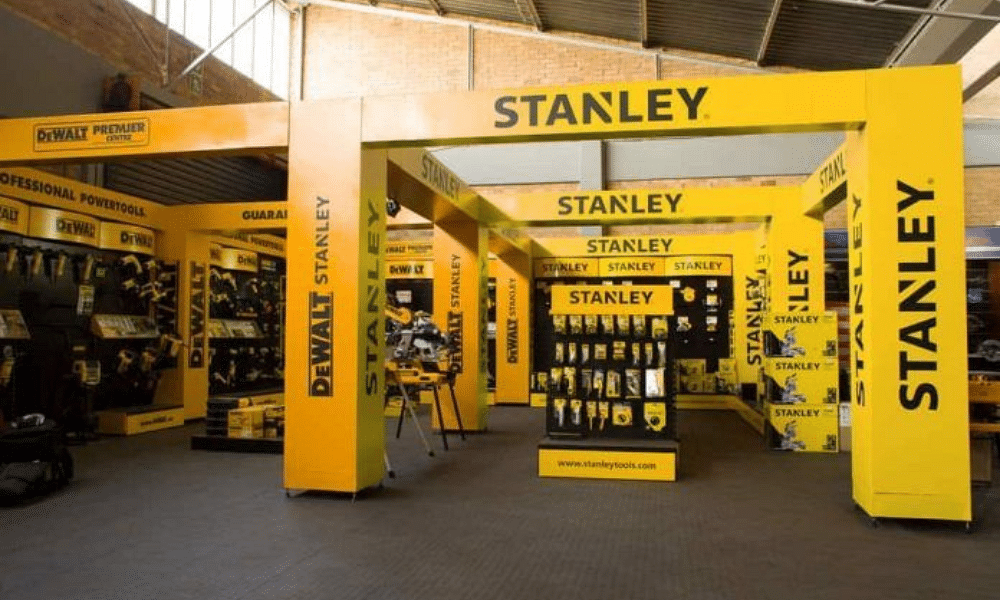
Here we look at three major companies - AutoZone, Columbia Sportswear and Stanley Black & Decker - and how their preliminary responses to tariff changes may affect their stocks.
AutoZone $AZO
AutoZone Inc, a well-known automotive parts retailer, is one of the companies that may be directly affected by tariff changes. The company's share price is now at $3,136, which is too high for many retail investors. It is therefore expected that in the event of higher tariffs, the company might consider a stock split to make it more affordable for the wider public.
In addition, the new administration's tough stance on EVs could play in AutoZone's favor. Although the electrification of the auto industry continues, a slower transition could extend the period when owners of internal combustion engine vehicles have a higher need for spare parts, a key market for AutoZone. AutoZone's CEO, Philip Daniele, said that if higher tariffs are introduced, the cost of products will be passed on to customers. Although the company's revenue is growing, it is slightly behind analysts' expectations, suggesting a possible slowdown in demand. In this context, a stock split could become an attractive option.
Columbia Sportswear $COLM
Columbia Sportswear, the iconic outdoor apparel brand, is also grappling with uncertainty related to potential tariffs. While the company experienced revenue growth during the pandemic due to increased interest in outdoor activities, Columbia Sportswear stock has been in a downtrend for three years. The company's CEO, Tim Boyle, has indicated that Columbia will likely raise prices, but this could jeopardize its competitiveness and affordability for U.S. consumers.
Columbia is currently trying to strengthen its brand among young consumers as part of its ACCELERATE strategy, but this is difficult at a time when these consumers are particularly sensitive to economic changes. While the company is expected to report strong results in its strongest quarter, investors should pay attention to future prospects rather than current results.
Stanley Black & Decker $SWK
Stanley Black & Decker presents an interesting case in the context of tariffs, particularly because of its plans to move some production from China to other countries such as Mexico. This move could help mitigate the impact of expected tariffs of up to 60% on imports from China. At the same time, the company is facing inventory issues that could last until the second half of 2025.
On the other hand, demand for Stanley Black & Decker's products remains weak and the company's stock has fallen 12.6% this year. If sales can increase year-over-year, investors could be more optimistic and take advantage of the 16% projected growth in share value (analysts' estimate). However, how efficiently the company manages its logistics and adapts to the new tariff rules will be crucial going forward.
Disclaimer: You will find a lot of inspiration on Bulios, but stock selection and portfolio construction is up to you, so always do a thorough analysis of your own.
Source: marketbeat