Expectations are growing: Trump and Xi are gearing up for a major summit

The upcoming summit between the US and China brings a hint of de-escalation of trade tensions after a long time. Markets are reacting positively - the question is whether a turnaround is really emerging or just another short-term truce.
From the threat of 100% tariffs to a compromise
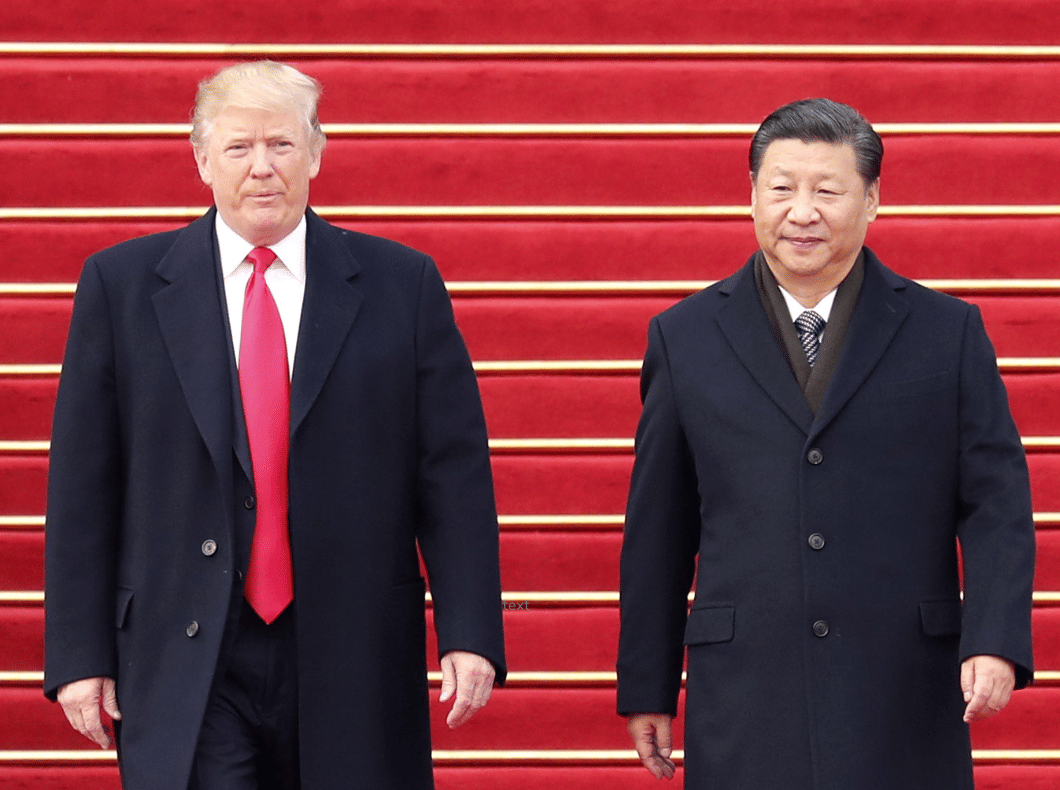
This Thursday, the long-awaited meeting between US President Donald Trump and Chinese President Xi Jinping will take place in the South Korean city of Gyeongju. After the weekend's preliminary talks between the two delegations, there is a surprisingly optimistic atmosphere - both sides are talking about a "substantive framework" that could prevent the planned tariff hikes from 1 November.
US Treasury Secretary Scott Bessent confirmed that The US does not currently anticipate imposing 100% additional tariffs on Chinese importsthat would substantially affect global trade. Chinese media then talk about reaching a "basic consensus on the arrangements".
What's at stake: Tariffs, chips and precious metals
The meeting is expected to cover a wide range of topics, according to the White House. In addition to tariffs, several key points are at stake:
China's rare earth exports - In recent months, Beijing has severely curtailed exports of strategic materials necessary for the production of batteries and chips.
Chinese purchases of Russian oil - Washington is trying to curb capital flows that indirectly fund the Russian economy.
Export restrictions on semiconductors - The US is concerned about China's technological lead in AI chips.
Agricultural trade - Issue of US supply of soybeans and other commodities.
Fentanyl and security cooperation - Efforts to restrict the flow of synthetic drugs from China.
A topic that could complicate the meeting significantly remains Taiwan. Trump said any Chinese intervention would be "very dangerous" but added that he did not want to discuss it now so as not to "add complexity".
Market and analyst reactions
Financial markets are reacting positively to the growing hope for a ceasefire. Analyst Terry Haines of Pangaea Policy said that "these positive signals may lift market sentiment in the short term", but warned that this is not a structural solution to the dispute, just a temporary lull in the arms.
Investors are currently factoring in the possibility that tensions between the US and China will not escalate before the end of the year. This could bring growth, particularly in tariff-sensitive sectors and supply chains - industry, semiconductors and consumer goods.
Strategic implications for investors
For investors, the summit is of critical importance:
Short term markets may react positively, especially US and Asian equities.
In the medium term But in the medium term, the core issue - the structural rivalry between the US and China - remains unresolved.
In the long term the key will be whether a new framework for trade cooperation emerges or whether the world moves definitively into an era of two separate blocs.
It will be particularly worthwhile to keep an eye on companies linked to global supply chains - for example, in the sector chips (TSMC, Intel, Nvidia), consumer electronics (Apple, Samsung) a industrial components (Honeywell, Siemens).
Conclusion
The Gyeongju summit may bring short-term calm to the markets, but long-term peace between the US and China is still out of sight. For investors, this means only one thing: Count on geopolitical volatility as the new normal.
Based on the outcome of Thursday's meeting, the future of the entire global trade chain - and thus the direction of global markets at the end of the year - may be decided.
$^GSPC $^NDX $^DJI